Blog

  • On Location: Kurlancheek Home Furnishings

    On Location: Kurlancheek Home Furnishings

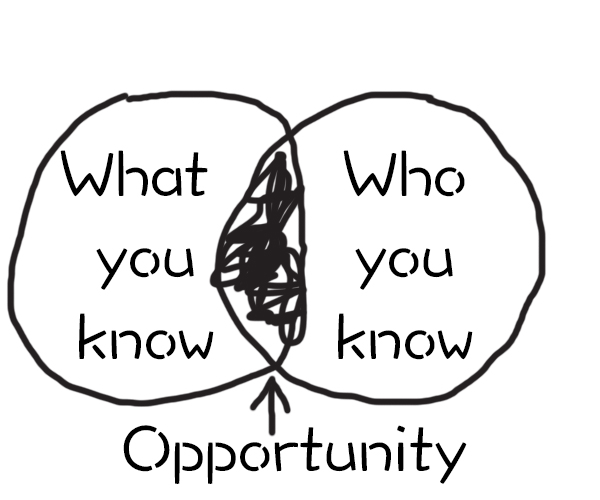
    They say it’s not what you know, but who you know.

    I never really liked that phrase. It implies that being skilled is less important than just running into the right people. What happens when the right people realize you’re the wrong person for the job? Or if who you know, knows you know nothing… ya know?

    Yeah… no one wins.

    I like to think of it more as what you know AND who you know leads to opportunities. If you’re really good at what you do and people know this about you, you’ll find opportunities for success. Of course, that also means letting the people you know, know what you know. (ok, I promise I’m done…but it was fun)

    That’s how Kurlancheek Home Furnishings became a client. I was out one night shooting a concert and ran into a friend who was looking for someone to produce a few new commercials for Kurlancheek. We talked for a bit and about a month later (thanks to the first snowfall of the season) we were shooting.

    They had recently bought air time with Comcast and the first production company they spoke with wanted to do the typical ‘local small business’ commercial. A couple of pans of the inside of the store, show one or two products, fade to a white screen with the address and phone number and call it a day. Kurlancheek wanted something a little more interesting and less generic. This is one of the biggest issues with local commercials, they are usually generic and follow the same template.

    They wanted to highlight a few key points – big city items at a reasonable price, unique reclaimed pieces and that they could custom design pieces. After a short meeting, we had an outline for what the final commercial campaign would look like. The idea was we’d do 3 commercials that start and end the same. The ‘nosey neighbor’ peeping out to see furniture being delivered across the street. She’d head out to ask about how expensive it was and what fancy place it came from, only to find out they came from Kurlancheek Home Furnishings and were quite affordable.

    This style allowed us to highlight a few pieces, their delivery service, and interior design. Across the three versions, get all the key points across. While it took a little longer than the cookie cutter ‘local commercial’, the result was something they were much happier with. Which is the way it should be.  If you’re going to pay to have production work done, it should be done right.

  • Shuters Notes: National Anxiety and Heart out at Bart & Urby’s

    Shuters Notes: National Anxiety and Heart out at Bart & Urby’s

     Before I turned to the “dark side”.

    and became a videographer, I was a budding amateur photographer. Even though I failed my first official photography class (still upsets me) I knew that visual storytelling was my passion. At the same time, I transitioned from being a DJ to a radio Disc Jockey.

    It was a rough transition at first. I’m just old enough that when I used to say I was a DJ, people assumed I worked with turntables and vinyl. I worked with a few companies, mainly doing weddings and parties. Nothing B-Boy style, but it was fun working in front of a crowd as opposed to a being in a sound proof booth. But music was music, so I made it work.

    It may sound weird, but all of my injuries lead me working into media. When I was finally sidelined I began broadcasting games. If I wasn’t calling a game I was shooting it. Eventually, I switched from sports coverage to focusing on music and that was it. I still dabbled (and still do) in working live sports, but music and music photography had taken hold. A few years later an internship had me standing behind a studio camera at a local PBS station. The dark side had won.

    While I lamented being in TV and was still convinced I’d end up as an audio engineer, I did secretly enjoy shooting moving images. It was more forgiving than photography (which was still film) and allowed you to correct yourself. To this day I can still remember the exact moment I knew shooting video was my destiny.  Our studio show included live musical performances. There was a little old woman playing the piano. She was at least 65 and it was a slow piece of music. The director was calling for shots and wanted something creative. I noticed I was at an angle in which I could frame the woman playing the piano with the reflection of her hands on the underside of the grand piano’s lid. I framed it up and heard over the headset “Camera 3 (me) that shot is amazing…unfortunately, it’s a bit much for this piece.” I zoomed in so you could just see the reflection and began a slow zoom out that ended with her, the piano and her reflected hands. “Stand by to take Camera 3, take Camera 3! 3, are you sure video isn’t your things. That was pretty damn good”

    That was it. I officially became a videographer that day. I’ve since gone on to shoot photo and video in various forms, but music has always been where it started.

    One of my big goals for 2016 was to get back to my roots. Music, storytelling and just plain shooting. A good friend of mine is the bassist for National Anxiety, a local Wilkes-Barre band, and wanted some photos at a punk show he was playing. I figured, why not…got to start somewhere. It was an amazing time. While a little rust at first, I found my groove and had a great time. Having only moments to get a shot and tell the story of the band and their music is an amazing rush. It was truly the push I needed to kick off 2016. I ended up shooting two bands that evening and decided to revamp my band photography to try to get more gigs booked. It’s working pretty well so far!

    Moral of the story, if you’ve been at this for a while and find yourself in a rut…get back to your original passion. Think back to when this was fun and go do that again. Even if you don’t make a dime on it, do it anyway. Sometimes we need to remember why the hell we got into this crazy business. If you’re new at it, find a passion. Find something that you love to shoot and shoot the hell out of it. And never forget what it is and how it makes you feel. As you grow and get better…every now and then, come back to that passion. It’s a great way to keep you motivated and get you out of a rut.

    You can check out the rest of the photos on my flickr and if you like good Punk Music, check out National Anxiety and Heart Out.


  • On The Road: Jamaica, Land We Love

    On The Road: Jamaica, Land We Love

     Jamaica – Beaches, resorts, jerk chicken…ahhh.

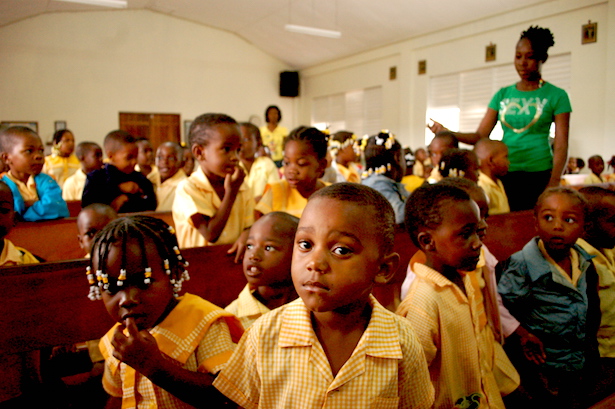
    That’s what most people think when someone says they’ve been or are going to Jamaica, but there is so much more to the island and it’s people.  I got the chance to visit in 2010 and do some volunteer work Kings Cross.

    We spent time working with students at a local school and helping to repaint their church. Come to find out that in Jamaica, applying a fresh paint job to your home, business or church is part of how you bring in the new year. A way of starting the new year fresh and clean.

    We also got a chance to volunteer and visit with some of the outcast elderly. Given the state of the country’s economy, many times families abandon the elderly because they are barely surviving as is. The care and needs of the elderly tend to cause a burden. A lot of the homeless population ends up being the elderly. Luckily there are many facilities in the country designed to take them in and care for them. While not as extravagant as our nursing homes, they have food, a place to sleep and a community of people around them. 

    There is also a problem with sick children being abandoned as well. One of the sites we visited was Mustard Seeds, a community for HIV-positive children. It was amazing to see how much life these children who’ve been outcast had. Another stop was the St. John Bosco’s Boys Home. Many of the boys there had committed crimes or been abandoned for other reasons. Part of what we learned was that many were forced to commit the crimes by family members or local gangs. Once in trouble, many just gave up on them. St. John Bosco’s worked with the boys on learning trades and making a plan for bettering themselves so when they left the home, they’d have a chance.

    Shooting these populations, though, often led to issues. Many of these communities don’t want their members photographed/filmed. There’s a lot of red-tape and having to have shots approved before and after you take them. When I asked why there was so much concern about photos being taken, a lot of the answers were what you’d expect. Some families feel ashamed because of a sick child or placing an elderly family member in a home. Protecting identities, no clearances (they are still people with rights) and so on.

    The reason that shocked me the most though was fear of exploitation. The facilities didn’t want photographers coming to visit and using these images just to further their careers. Showing up and shooting poor black and brown people living in squalor and then returning home saying “See what I shot!” As photographers we often want to show people the world around us, but how often do we think about what it says about us and the places we’re displaying. Are you there just to document poverty or are you there to do something about it? And yes, it depends on why your there. I get that a photojournalist IS there to just document. But as a traveler or a travel photographer to impoverished areas, what’s the purpose of the images you’re taking? Do you plan on telling someone’s story or just telling yours?

    I think we often get lost in creating powerful images and forget that there is often a story behind them that people should hear. Not your story, but the story of the who, what, when, where and WHY of your photographs.

    It’s like stealing if we don’t go the extra distance to make sure that we follow the images with a story that, if nothing else, tells the plight of the impoverished we’re documenting. It really made me think when shooting in Jamaica and has had an impact on me when I travel and shoot. Making your photos about more than just the image you’ve ‘taken’. Making them about the story as well. We all have a story to tell and spreading those stories is far more important than just clicking the shutter.

    I think HONY is one of the best examples of doing this. Not only are the pictures compelling, but the stories help to bring us all together. That’s story that came through in Jamaica, after interviewing and talking with the people I met and interviewing the students I traveled with…togetherness is how we get through this life.

  • On The Road: Wichita Falls, Texas

    On The Road: Wichita Falls, Texas

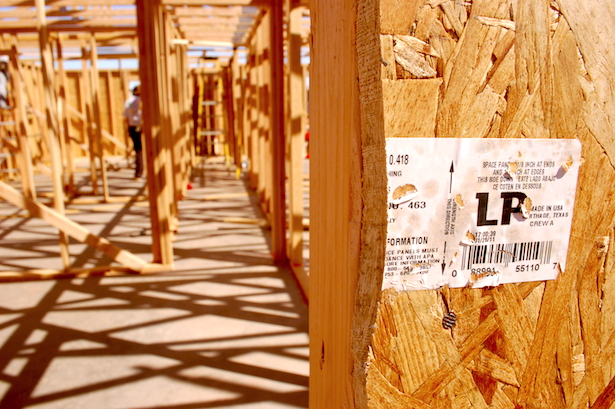
    One of the perks of my ‘day job’ is getting to travel each year on various trips. Misericordia University’s Campus Ministry program does a Habitat for Humanity (among other types of trips) each spring break. I’ve been lucky enough to tag along six of the past seven years.

    While my main focus is being a chaperone and helping to do much-needed work, each year I bring my camera(s) along and serve as the group photographer/videographer/documentarian. It get’s a little exhausting juggling it all. Keeping track of student needs, the physical exertion of building a house, doing interviews and grabbing photos when I can.

    But it is totally worth it.

    I think anyone, budding or advanced, should take the chance to travel with a group and document the experience. As a photographer and videographer, it’s a really great opportunity to sharpen your chops. You’re traveling…so you can’t take all of your equipment. You have to really plan and think “What’s the minimum I need to capture this experience?” We’d all love to pack tripods, lights, mics, lenses, excessive amounts of batteries and other “what if” items. In reality, you can’t. Even if you can afford the baggage fees to bring it all, how are you going to lug it around when shooting/working? Where are you going to store it? Where are you going to set up your expensive 3-point lighting set up on site?

    You’re not. One still camera, one video camera, one mic, no tripod, no lights…and go.

    You’ll be amazed at how well you can cope with less. And that’s the real lesson, doing more with less. You’re forced to get back to the basics of shooting. Is it well-lit? Is it framed properly? Is it in focus? Does it tell a story? Can we hear them clearly? Pushing yourself is one of the best ways to improve your craft. You’ll have to find ways to shoot steady, gather audio, keep subjects lit and so on with a minimal amount of equipment. What you often find is that you learn to shoot with a new perspective. Realizing that the “easy” way is often boring or clichéd. By having less to work with, you can get back to the things that matter. It’s not that the extra equipment is a bad thing, but we sometimes lose sight of the basics:

     Tell a story that sounds and/or looks good.

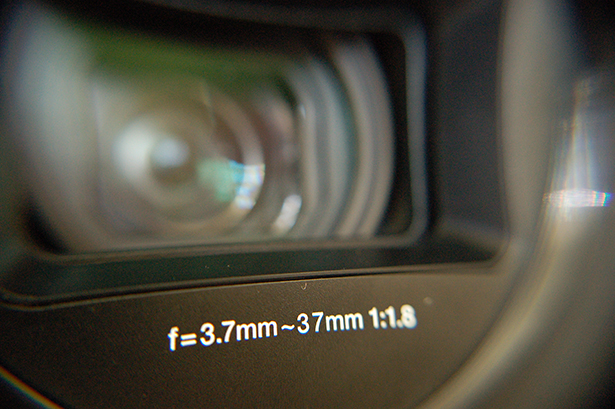
    It’s fun to step out of your comfort zone now and then. This trip to Wichita Falls, as all trips do, presented many issues. The worst this time around, high winds and dirt. It took a week to clean the video camera and I have a zoom lens that still acts up from random grains of Texas clay. That said, the result was two houses, one started from the ground up, being built. For me, another great set of photos and an award-winning documentary short called “Home Is…” Most of the trips I do are for spring break and serve as a great catalyst for shooting since it gets me out of the doldrums of winter. It’s not always easy to do travel photography, but if you can, go! Take as little as you can and challenge yourself to improve.


  • 5 Questions Local Business Need to Ask About Online Marketing Videos (and Not Lose Money)

    5 Questions Local Business Need to Ask About Online Marketing Videos (and Not Lose Money)

    “How do I succeed online?”
    “How do I get my name out there?”
    “What does a small business need to know about video?”
    “How do I get started?”


    Every year we hear a lot of the pain of local marketing while at NEPA BlogCon, the first, one and only social media and blogging conference in PA. Video, podcasts, production as a whole have come up each year, Getting Started with YouTube was even a presentation last year.

    Park MultiMedia is proud to have not only attended NEPA BlogCon from year one but to record all sessions on video for anyone to reference online. This year Park Multimedia will also be on hand after the sessions for online video marketing advice at the NEPA BlogCon Expo Hall (new this year!)  To get ready for the expo hall – we’re putting Park Multimedia’s own Dan Kimbrough on the hot seat with some popular local marketing questions. If you don’t know the answer to these questions, you better listen up!

    1.Hi Dan! Number one question, can I use my iPhone to shoot my video?

    Can you, yes! Should you, well that depends on the goal of the video.

    Most modern cell phones (past 2-3 years) can shoot in HD resolution. This will give you the same pixel quality as a professional camera. The difference being that professional cameras have bigger lenses, a better zoom and focus control and handle light better.

    If the video is supposed to be fun, quirky, ‘day of the life’ or behind the scenes focused, sure! Grab your phone (turn it sideways!) and shoot away. YouTube, Instagram and many other sites have made us accustomed to seeing this kind of video. While not always professional quality, it’s a great way to connect with clients and give your business a personality to set it apart from others. They are like little home videos we share with the world.

    If you want a professional video, that has all the bells and whistles that come with it being ‘professional’, you should hire someone. Having a camera (on your phone or otherwise) doesn’t make you a professional. I have golf clubs, but Tiger Woods I am not! Often times as business owners we want to save a few dollars here and there, but when it comes to your image…hire a pro.

     2. How do I prep for a video shoot? Both as a shooter and the talent? Anything to do when prepping in PA?

    Preparation is the single most important thing you can do to make a shoot go well. Whether you are the shooter or the talent, you need to make sure you have done your homework and are thoroughly prepared the day of your shoot

    Shooter – The first step for any shoot is to make sure all your equipment is ready and what you need is packed. Batteries charged, cameras working, tripod, lights and microphones are in working order. Make a checklist so that you always know you have what you’ll need on hand.

    Another good idea is to always have a backup location ready. The summer weather in PA can be pretty crazy. Wet one minute, hot another…just a crazy American summer. If you plan to shoot outdoors, have an indoor backup. It’ll save you time, talent and equipment.

    Speaking of equipment – always use a tripod or some sort of camera support, always. Trained professionals still have some sort of support for the camera, always. Shooting handheld is difficult, don’t ruin your shoot trying to stand perfectly still.

    Also, when it comes to equipment, keep it simple. Get a tripod or support, some sort of microphone, cheap lights and a camera. Practice with what you can afford and get good with it. If money comes pouring in, buy better. But for now, just get shooting.

    Talent – Know what you’re doing. If it’s an interview, research the subject. Know how to pronounce their name. Already know the simple questions (where are they from, how they got started, etc.) so you can get to meatier ones. Talk with the shooter, know what the piece is and where it’s going. Is it just for a sound bite? Will you be on camera? How will the interview be used? The more you know beforehand, the better ‘talent’ you will be.

    Also, and this may sound weird, always have a mirror or compact. Male or female, keep one handy. As a seasoned producer, I usually have one in my gear bag, but if you’re working with a newbie, they may not. You want to look your best, the shooter just wants to get the footage shot. You’d hate to start and realize BBQ sauce from lunch is hiding on your face. The shooter may not even notice with all they are setting up, so it’s on you to make you look good.

    3. What’s the best format of video to shoot in?

    The short answer – the same format that the editing software or the destination prefers. The problem is that not all cameras allow you to decide what format you shoot in.

    If you’re working with an editor, ask them before you start shooting. While they can probably work with whatever you give them, or let you know specifically what they can’t use, it’s better to ask first.

    If you’re editing on your own and you can’t change the format or match what you’re editing software needs, video conversion is your answer. Conversion allows you to change from one format to another. For most consumer cameras, MPEG Streamclip works well. It’s pretty straightforward in allowing you to pick your a format, change the size, how big the file is and other features. What’s also great…it’s free. I would suggest exporting as an MPEG-4 (see below).  

    4. VCR’s are dead, right? If I’m working with a video export tool or a videographer, what type of format should I request for my final format? What’s the most useful format?

    Unless you still have the entire Disney Vault on VHS, VCR’s have pretty much gone the way of the dinosaur. The most versatile format of video, right now (who knows how long anything will stay relevant) is probably MPEG-4 (.mp4).

    Without  getting too technical, if you’re using a video export tool look for H.264 with a .mp4 extension. Just about all computers will recognize this with their default video player. On Windows it’s Movie Maker and a Mac it’s Quicktime. Also, this type of video works well with uploading to YouTube, Vimeo, Facebook and other online video websites.

    If you’re getting video back from a videographer or editor, still go with the .mp4 as a digital file. I would also suggest getting the files on a DVD-ROM (not playable, but as data) as a physical backup. You never know when a computer or hard drive will reach the end of the road and this way you have your video safe, in a physical format.

    I live in NEPA – the land where  the sun never shines, how do I make my shoot look good?

    Actually, the lack of sun works in our favor. One of the biggest tells between professional and amateur video is the lighting. Too dark, too light, too many shadows are all signs that a professional wasn’t consulted.

    If you’re shooting outside, overcast is ideal if you don’t have lights or a way to diffuse the bright sun. Overcast minimizes shadows and bright spots in your video and gives a nice even look. You never want to shoot too dark or bright as it’s hard to correct, so our cloudy days make for great shooting. If it is too bright, find some shade under under the abundance of PA trees or use a building to block the sun.

    Other things to consider when shooting outside include paying attention to surrounding noises. You want to make sure you can hear your talent and not the cars behind them. Also, objects in the background. Parks make a great setting, just make sure you don’t have trees growing out of your talent’s head. The same goes for urban/city setting. Power lines going in and out of your talents ears can be distractingly funny.

    Did we answer your video marketing question? Hopefully not! We hope to see you (yes, you!) at the conference this September 12th in Stroudsburg.

  • Peculiar Music Festival and Community Support

    Peculiar Music Festival and Community Support

    11 bands, 11 hours… all to support the local community. That was the goal of Peculiar Culinary Company in hosting their first Peculiar Music Festival. The event was to support the revitalization of Jefferson Park in Pittston, PA and they raised $3,600 for renovations in the Fred Demech Bldg!dustin_drevitch_4

    Park, our foodie counterparts Whiskey Bacon and many other sponsors and vendors were on hand to help support the effort and make the day a success. We donated event photography and videography services for all the bands that performed. Peculiar got professional photos and videos of the event and the bands now have some great media to use to promote themselves. Everyone wins..yes, including us. Park likes to pick a few events a year to donate services to, for many reasons.

    the_switch_4 the_switch_3 brandspankinstu_4ashfall_1


    The obvious is it helps raise our awareness and company profile. If the community sees us out and about supporting them, hopefully they will support us as a small business. Also, it offers a service that some can’t afford. To hire a media company to cover an 11 hour fundraiser would be counter productive. All the funds would go to cover the event and not the cause. This way the fundraiser (and in this case the bands) gets a professional media product to help support them.

    The big one though, is we support and believe in giving back to our community. We’ve donated our services a few times over the last year, to groups we really felt were doing great work and the real payback is seeing the pride others take in the community and themselves. From editing videos for the 2013 class of Leadership Wilkes-Barre, to taping the 2012 NEPA BlogCon, we’ve seen that our local community really takes pride in itself and is capable of amazing things!

    the_sperazza_trio_1brandspankinstu_1invisible-swordsman_5


    Obviously we can’t donate our editing or event photography and videography services to everyone, but when we do, we do it to help support Wilkes-Barre and its surrounding communities. Each time, we’ve had a blast and look forward to partnering with other organization in the future. If you our your organization have some ideas, please feel free to contact us and we’ll see what we can do. Otherwise, take sometime to check out the pictures and amazing performances for the Peculiar Music Festival and keep an eye our for it next year!

  • Where to Find your Wedding Videographer

    Where to Find your Wedding Videographer

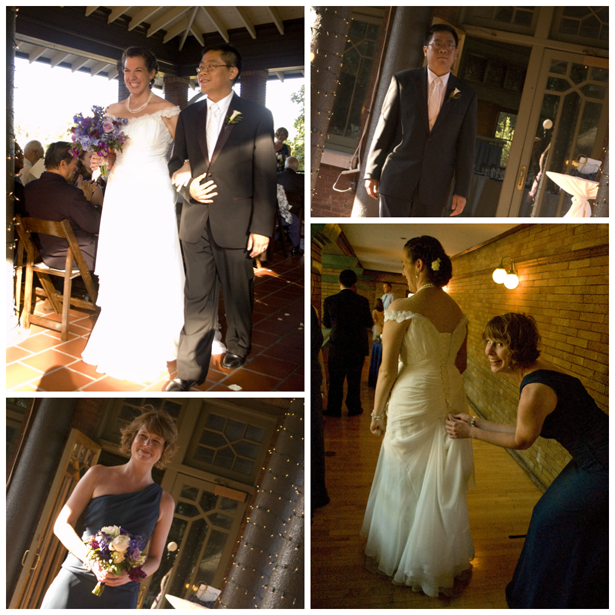
    To say that weddings are a business is a vast understatement. From flowers, to venues, yes…photographers and videographers, everyone seems to be willing to give you the day of your dreams…for a fee.

    But have you ever thought about where you’re finding these vendors at? Today there are tons of sites that offer you one stop shopping for your wedding vendors. From The Knot, to Wedding Wire, to WedPlan, these sites will give you access to wedding vendors from all over…but does being listed there really mean they are the pick of the litter?

    In business, one of the prevailing notions is ‘you have to spend money to make money’ and that’s what many of these sites prey on. Most of these sites have free listings that are usually nothing more than an image, url and brief description. The ones that have video, multiple images, blog post and so on are paying a pretty penny to get your attention. And that’s where things get hairy. You’re connecting with your vendors through a third party who is also making a profit. The ranking on those sites have nothing to do with the service they provide, but everything to do with the price they pay.

    Now I’m not saying that they aren’t great companies, they very well could be. I’m just saying that brides and grooms should do some deeper digging. It take a lot of time to keep those sites up-to-date with relevant info to attract you. Time that could be spent elsewhere. If a company is listed on as few as 5 sites, that’s a heavy time investment. The thing is all that work only helps the company on the vendor site…not theirs! If they are writing blogs, updating video/photos and such for that site…they are increasing search traffic in the wrong place.

    collage-dan-copyAs a small business owner, I’d much prefer you spend time on my site (that I’m already paying for) and work with me directly. When I get notification from these sites…you’re just a name, email and usually ‘expected budget’. Working with clients, whether corporate or for a wedding, should be about the relationship we build. For me to best capture your day, I need to get to know you, not some questionnaire.  Sure, we’ll eventually have a face-to-face, but that’s after a few mediated contacts that I had to pay for. Of course I’m going to really try to net you, regardless of whether or not a good fit, because I’m paying to talk to you!
    Also, if the vendor you find is any good, they probably have contacts and connections locally to wedding venues, caterers and other vendors. Local small businesses win and you’ll get a chance to really get to connect with and find a good match. I think of the Knot and other sites like wikipedia…use them to get some general info, but then dig deeper to really find what you’re looking for.

    In the end, I’m willing to bet you’ll be happier with those around you on your special day!

  • Has Apple Lost it’s Edge

    Has Apple Lost it’s Edge

    apple_mac_pro

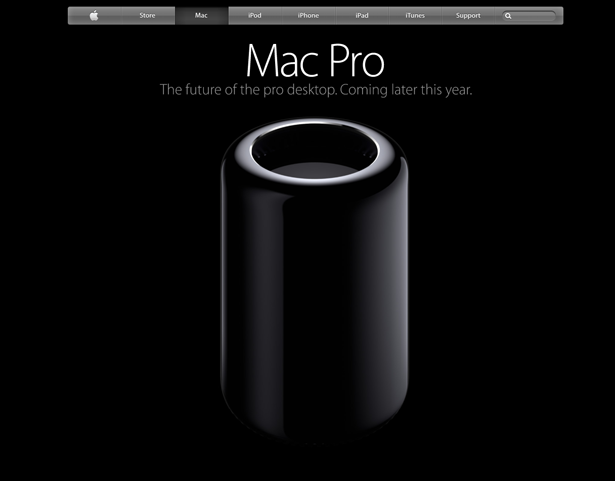
    You’re looking at the newly redesigned Apple Mac Pro. Gone are the days of square towers and space consuming electronics, this is sleek, pretty, quiet and completely different. As Apple dubs it ‘the Desktop of the Future’ and ‘Something that provides an extremely powerful argument against the status quo.’

    Some of the new key selling points of the Apple Mac Pro –

    • 4k video support
    • Thunderbolt 2
    • Up to 12 cores of processing power
    • 60 GB/s
    • PCIe Flash Storage
    • Designed with built-in Thunderbolt 2, USB 3, Gigabit Ethernet, and HDMI 1.4 ports
    • and so on…

    So what’s the problem? The problem is what the mac pro is not, which is a performance machine.

    To begin, the mac pro tops out at 12 cores. Fine for most people, but the old mac pro could go up to 16 cores, giving pro users the power the needed for larger renders and exports. Also, there’s no optical bay and all the inputs make most current drives obsolete. Apple has alway been on the forefront of technology and pushed us to do better, it’s just that they usually did it with pro users mind.

    screen-shot-2013-06-11-at-5-22-08-pm


    The race to get smaller and sleeker has lead Apple to all but abandon a lot of what made it stand out to the professionals in the media industry. Even with something as simple as burning a DVD.  They have gutted the machine and opted for external drives and peripherals. Which is also an issue because they have abandoned legacy inputs like Firewire and USB 2. Apple has all but forced users to adapt to Thunderbolt with this flashy new machine. So no, your current usb 2.o optical drive won’t work.

    Image from everymac.com

    Many of us are still using drives with firewire. Thunderbolt may be the future, but many editors and creatives are still using firewire because: reviews aren’t the greatest yet for thunderbolt; the option are few at a professional speeds/standards, price per terabyte is still high; and their old hard drive works just fine. Even one firewire 800 port to daisy chain the rest together would be nice. And without the including a DVI out, even more money is being spent on adapters to use current monitors. As a professor by day, I dread is the amount of peripherals and cords that are going to be needed for this to be functional. That’s a lot of equipment, drives and cords to keep track of.

    The new model also leaves you no room to expand internally. One of the hallmarks of the ‘old’ mac pro was the ability to grow it into the machine you needed and grew. It made it affordable enough to get one and still have the option to create a machine to meet your demands down the line.

    While new, sleek and ‘all you’ll ever need’ works well for the average user, there’s a rather large segment of Apple’s core user group that can’t actually use this machine ‘as is’. Apple in its famous 1984 ad promised us a product that was inspired and different. Something that wasn’t everyday.

    As of late though…they are failing us, at least those of us who use Apple products as high end hardware and software. Final Cut X was a water downed piece of software that was meant for everyone to be able to use. Their newest iPhone ads boast that ‘every day, more photos are taken with the iphone camera’ and show everyone using them. There are enough low end/consumer grade thunderbolt, usb 3 and HDMI 1.4 devices out there that the everyday person will be just fine with this new mac pro and we can all have one.

    And that’s the problem. Apple is becoming the everyday computer company that everyone can enjoy. While that’s great for the masses, those of us who work in a world where growth, expansion, adaptability and performance are our life force, this is downright scary and appalling. A lot of this post was inspired by an old friend and current visual effects compositor Kurt Lawson. His power/processing needs far outweigh mine, any day and I think he summed it up best with this –

    Apple doesn’t care about the high end users they are alienating, because many more middle range users are going to want the new black shiny “pro” box. So in the end they will maybe sell more of them, while categorically cutting off anyone who wants a pinnacle performance machine.

  • GoPro Really Does Go Anywhere

    GoPro Really Does Go Anywhere

    camera-and-logo-image-for-web1

    About a year ago I bit the bullet and bought a GoPro HD Hero 2 with plans of using it in all sorts of situations. Sadly, it’s been collecting dust and really hasn’t seem much usage. A few test shoots here and there, but nothing to amazing.

    Recently I’ve more time and really focused on getting the hang of it and it’s a great addition to Park’s Camera Packages. In doing weddings videography, I think we’re going to test it as a behind the scenes camera and to some time-lapse photography of brides and grooms getting ready and using it as an aerial camera in the church.

    Back in February, we taped the Subnotics at the Jazz Cafe in Wilkes-Barre for a concert and in hindsight it would have been a great overhead or even better over the drummer shot. They always seem to get lost in the back!

    It’s a great little camera and I’m happy I’ve got the time to finally realize its full potential. The next documentary we’ll be finishing will be featuring shots from it and we’re going to help cover the Peculiar Music Festival and it will definitely be put to use there!

  • NAB 2012 and BEA 2012 Wrap-Up

    NAB 2012 and BEA 2012 Wrap-Up

    2nab2012_feature_thumb

    There’s a lot to be said about this year’s NAB show, so I’ll try not to rehash a lot of it.

    As a disclosure, I’m a professor full time, so a lot of NAB for me is ‘What do my kids need to know about the next 2-4 years of media?’ Why? Because any further out and it will all have changed anyway!

    From the Park’s stand point, I’m looking at “How do we develop as storytellers?” We’re a doc company first, so using the camera to tell the story of (fill in the blank) is important.  Any insight is a plus!

    4K-Resolution and Revolution

    All that said, one stood out most to me was the stunning 4K prototype reference monitors from Canon and 4K over all. There were some aerial city shots from a 4K camera and the images were stunning! You could see the individual cars with great detail and no blur in headlights. It almost looked animated it was so sharp.  This is lovely to me because it will really make us all think about lighting and composition. With that much clarity and crispness, we had all better up our game.

    The flip side to 4K is going to be storage and projection. Terabytes, plural, are going to be needed to handle the medium. One DP said that in 2006 when working on a 4K prototype that the raid array they used was about the size of four ping pong tables arranged together. With compact flash and SxS, it won’t be so bad to shoot, but you’ll really be thinking about how much coverage you need when needing 4 TB to hold your raw footage for a 3 minute short.

    With projection, new projectors, storage for 90 minutes of 4K films, screens…the list could go on. Against most peoples will, we just made DLP projectors the norm. How much more can we ask our friends in the theaters to do?

    Fundamentals – Back to Basics

    BEA (Broadcast Education Association, I really am a professor!) documentary division invited the A.S.C. to speak and we heard from Julio Macat, who shot ‘Home Alone’, ‘Wedding Crashers’ and ‘Ace Ventura’ to name a few.

    He began with words I’ll never forget “Cinematography is our religion and our holy trinity are Composition, Camera Movement and Lighting.” Julio spoke about all the great advances in technology and said that if you want to be good, be a camera mechanic so you know your machine. Even more than that though he stressed that the box (camera) isn’t what’s important, it’s the story and how you tell it. SD/HDV/HD/4K, none of it matters.  Can you frame the story, move the camera to tell the story and light the story to give it emotion? If not, an ARRI Alexa won’t even save you. Our job is to connect with the audience and evoke emotion. The box you do that with shouldn’t matter…if you’re good at your craft.

    He reminded us to get back to basics. Get a camera and shoot, doesn’t matter what kind of camera or what you’re shooting, just go shoot.  He showed some old 16mm films of his kids he’d shot years ago. I kid you not, it was almost frame-for-frame what you see in this clip of the ‘Wedding Crashers’. He’s shot so much that what he does today is just recall the emotions of what he’s done before. He thinks “how do I want the audience to feel in this shot” first…not “what kind of camera/lens can I use.”

    So yes, I love where 4K will take us and how it will force us to improve our craft, we need to remember that the story being told in front of it will always surpass it’s importance.